Best roofing materials for the Texas Gulf Coast
Published March 19, 2026 · 9 min read
Picking a roofing material in coastal Texas is different from picking one in Colorado or Minnesota. The Gulf Coast throws heat, humidity, wind, and hail at your roof, sometimes all in the same week. Whatever goes on top of your house needs to handle all four, not just one.
Here is a straightforward breakdown of the options that actually make sense for this area.
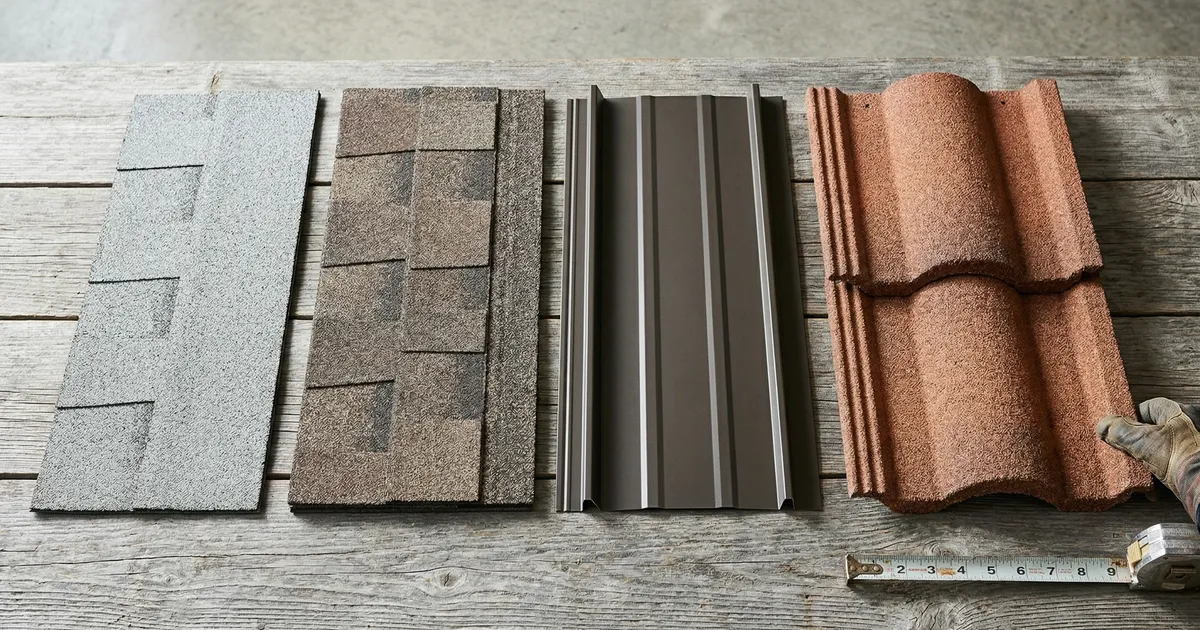
For most Texas Gulf Coast homeowners, architectural asphalt shingles rated for 130 mph winds are the best combination of cost, availability, and durability — especially Class 4 impact-rated products that qualify for insurance discounts. If budget allows, standing seam metal roofing offers superior long-term value with 40–70 year lifespans and wind ratings up to 180 mph. Stone-coated steel splits the difference. Clay and concrete tile work for new construction but are rarely practical for re-roofing existing Gulf Coast homes.
- Asphalt architectural shingles: cost, ratings, and heat trade-offs
- Standing seam metal: wind resistance, longevity, and hail performance
- Stone-coated steel: Class 4 hail rating and insurance savings
- Concrete and clay tile: weight limitations and practical considerations
- Side-by-side comparison and our recommendation for most Gulf Coast homes
Asphalt architectural shingles
This is what most homes in Baytown, Pasadena, La Porte, and the surrounding area have. There is a reason for that. Architectural shingles (also called dimensional or laminate shingles) cost less than other options, install quickly, and a good set will handle the weather here for 25 to 30 years.
The key is choosing the right product. A basic 3-tab shingle rated for 60 mph winds is not going to cut it. You want architectural shingles rated for 110 to 130 mph wind speeds with the ASTM D3161 Class F or H designation. GAF Timberline HDZ, Owens Corning Duration, and CertainTeed Landmark Pro are the ones we install most often.
Cost: $350 to $500 per square installed
Lifespan: 25 to 30 years
Wind rating: Up to 130 mph (varies by product)
Hail resistance: Class 3 standard, Class 4 available at higher cost
The downside: asphalt absorbs heat. On a 100-degree August day in Baytown, a dark asphalt roof can hit 160 degrees on the surface. That heats up your attic and makes your AC work harder. Proper attic ventilation and radiant barriers help offset this, but the material itself is not great at reflecting heat.
Standing seam metal
Metal roofing has gone from "that is what barns have" to a legitimate residential option. Standing seam systems use long vertical panels that interlock at raised seams. No exposed fasteners, no screw holes for water to find.
For Gulf Coast conditions, metal is hard to beat on longevity and wind resistance. Most standing seam systems are rated for 140 to 180 mph winds. They reflect solar heat better than asphalt, which can reduce cooling costs by 10 to 25 percent depending on the color — look for Energy Star-rated products for the best reflectance numbers. And they last 40 to 70 years.
Cost: $700 to $1,200 per square installed
Lifespan: 40 to 70 years
Wind rating: 140 to 180 mph
Hail resistance: Dents but does not crack or leak (cosmetic damage)
The trade-off is cost. Standing seam metal is about double the price of asphalt up front. For homeowners planning to stay in their house long-term, the math works out in metal's favor because you are buying one roof instead of two. For someone who might sell in 5 to 10 years, the upfront premium is harder to justify.
One thing people worry about with metal roofs and hail: large hail will dent metal panels. The dents are cosmetic. Unlike asphalt, where a hail hit cracks the surface and exposes the underlayment to water, a dent in metal does not compromise the waterproofing. Your roof looks a little beat up, but it still works.
Stone-coated steel
Stone-coated steel is a middle ground between asphalt and standing seam metal. The panels are steel underneath with a layer of stone granules bonded to the surface. They look like traditional shingles or tiles from the street but perform closer to metal.
Cost: $500 to $800 per square installed
Lifespan: 40 to 50 years
Wind rating: Up to 120 mph (varies by manufacturer)
Hail resistance: Class 4 (highest rating)
The Class 4 hail rating is the standout here. Insurance companies in Texas offer discounts of 10 to 35 percent on roof-related premiums for Class 4 rated materials. Over a 10-year period, those savings can offset a significant chunk of the price premium over standard asphalt. Ask your insurance agent for a specific quote before you decide — the discount varies by carrier.
Not sure which material is right for your home?
We help homeowners pick the best roofing material for their budget and conditions. Request a free consultation or call (832) 661-6272.
Concrete and clay tile
Tile roofs are common in some parts of Texas, particularly in areas with Spanish or Mediterranean style homes. They handle heat well, last 50 to 100 years, and look good. But they come with trade-offs for Gulf Coast conditions.
Cost: $800 to $1,500 per square installed
Lifespan: 50 to 100 years
Wind rating: Varies widely (proper installation is critical)
Hail resistance: Moderate (concrete is better than clay)
Weight is the main issue. Tile roofs weigh 8 to 12 pounds per square foot. Asphalt is around 2 to 4 pounds. Most existing homes in Baytown were not framed to support tile. Retrofitting the structure adds $3,000 to $8,000 to the project, assuming it is even feasible.
Large hail can crack tiles. And when a tile cracks, it has to be individually replaced. After a major hailstorm, finding matching replacement tiles can be difficult and expensive. For new construction where the framing is designed for it, tile is a solid option. For re-roofing existing homes on the Gulf Coast, it is usually not practical.
Side-by-side comparison
| Material | Cost/sq | Lifespan | Wind | Hail |
|---|---|---|---|---|
| Architectural shingles | $350-$500 | 25-30 yrs | Up to 130 mph | Class 3-4 |
| Standing seam metal | $700-$1,200 | 40-70 yrs | 140-180 mph | Dents only |
| Stone-coated steel | $500-$800 | 40-50 yrs | Up to 120 mph | Class 4 |
| Concrete/clay tile | $800-$1,500 | 50-100 yrs | Varies | Moderate |
What we recommend for most Gulf Coast homes
For budget-conscious homeowners who want a solid 25-to-30-year roof, go with Class 4 architectural shingles. You get good wind and hail performance at a price point that works for most people, and the insurance discount on Class 4 materials helps offset the small premium over standard shingles.
For homeowners who plan to stay in their house long-term and want to invest in the last roof they will buy, standing seam metal is the best value over time. The upfront cost is higher, but you are done thinking about your roof for decades.
Whatever you choose, make sure it is rated for the wind speeds this area actually gets. A cheap roof that blows off in the first tropical storm is not a bargain.
Want help picking the right material for your home? Call us at (832) 661-6272 or request a consultation. We will walk through the options with you and give you an honest recommendation based on your roof, your budget, and how long you plan to stay.
FAQ
Frequently Asked Questions
What is the best roofing material for the Texas Gulf Coast?
How does metal roofing hold up in Gulf Coast hurricanes?
Are tile roofs a good choice near the coast?
What wind rating should I look for on shingles?
Does roof color affect energy costs in Texas?
Contact Us
Ready to Get Started?
Contact us today for a free estimate. We're here to help with all your roofing and construction needs.
Phone
(832) 661-6272
tacremodeling@gmail.com
Address
410 Bayou Bend Dr
Baytown, TX 77521
Business Hours
Monday - Friday: 8AM - 6PM
Saturday: 8AM - 2PM
Get Your Free Estimate
Share your project details, then choose text, email, or call to contact TAC.
Next, choose text, email, or call. Nothing sends automatically.